
SpaceX has officially taken a major step towards a new era by filing for an initial public offering, signaling a significant transformation for the company. The filing sets the stage for SpaceX to be listed on the Nasdaq under the symbol SPCX, with a preliminary prospectus outlining a bold vision for the future.
The document paints a picture of a company with impressive scale, reporting consolidated revenue of $18.67 billion in 2025. Despite the substantial revenue, SpaceX faced a net loss from operations, largely due to substantial investments in its artificial intelligence (AI) segment.
The company is now structured around three core pillars: Space, encompassing the Falcon and Starship rocket programs; Connectivity, driven by the innovative Starlink satellite network; and AI, which includes the integration of the xAI acquisition to develop truth-seeking intelligence models and extensive data center clusters.
One of the focal points of the offering is the overwhelming influence of founder Elon Musk. SpaceX plans to implement a dual-class share structure, with Class A shares holding one vote each and Class B shares carrying 10 votes per share. Musk, through his ownership of Class B shares, will retain control over the company, enabling him to sway shareholder votes and maintain authority over the board of directors. As a result, SpaceX will operate as a “controlled company” under Nasdaq governance rules.
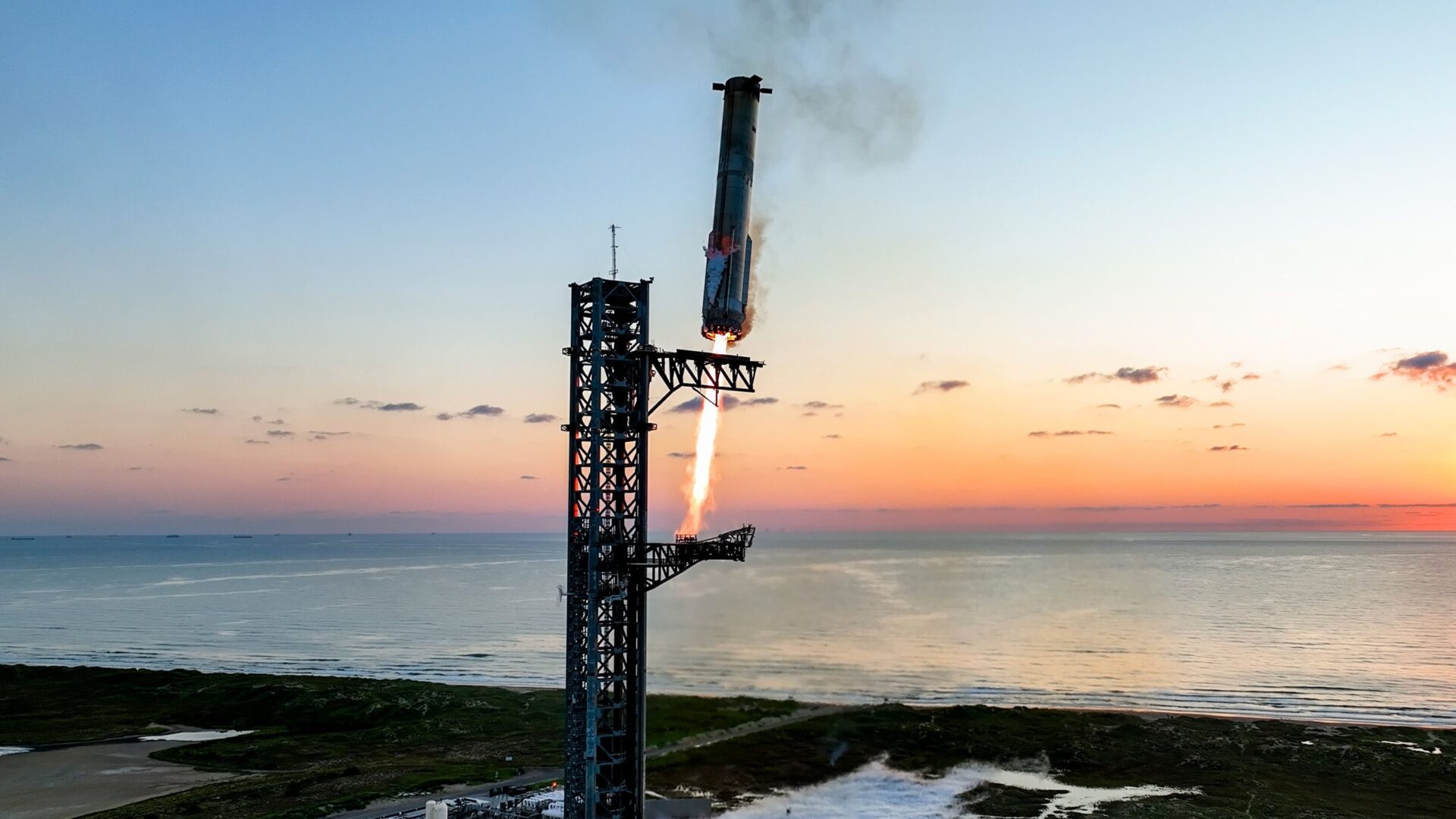
Looking ahead, SpaceX is placing a significant bet on its cutting-edge Starship vehicle to revolutionize space access, with plans to commence orbital payload deliveries in the latter half of 2026. Additionally, the company is positioning itself to tap into the energy market by utilizing space-based solar power to meet the substantial electricity demands of its AI training clusters, aiming for terawatt-scale compute growth.
The filing serves as a roadmap for SpaceX’s overarching goal of making humanity a multiplanetary species, while simultaneously expanding its presence in global internet services and artificial intelligence.
Key Financial Metrics outlined in the prospectus include a Consolidated Revenue of $18.67 billion in 2025, Q1 2026 Consolidated Revenue of $4.69 billion, and a Q1 2026 Operating Loss of $1.94 billion primarily driven by investments in the AI segment. Starlink, the connectivity segment, generated $11.39 billion in revenue in 2025 with an operating profit of $4.42 billion, while the AI segment’s capital expenditures reached $7.72 billion in the first quarter of 2026.
The Share Structure and Governance details the issuance of Class A common stock for public investors and Class B common stock for insiders, with Elon Musk retaining approximately 85.1% of the total voting power through his ownership of Class B shares. SpaceX will operate as a “controlled company,” exempt from certain governance requirements.
Strategic Highlights include plans to list on the Nasdaq under the ticker symbol SPCX, division into three core areas (Space, Connectivity, AI), deployment of modular orbital AI compute shells, and scaling to thousands of launches per year. The Starship vehicle is positioned as the primary enabler for SpaceX’s long-term objectives, including lunar industrialization and Mars exploration.
As SpaceX gears up for its IPO, the company is on the cusp of a new chapter filled with groundbreaking innovations and ambitious goals. The first flight of Starship V3 is set for Thursday, May 20, marking a pivotal moment in the company’s journey towards reshaping the future of space exploration.