
Honda, a leading Japanese car manufacturer known for its innovation and reliability, has recently faced challenges in the electric vehicle market. The company has made the difficult decision to cancel its long-term EV sales targets and its goal to transition to a fully electric or fuel-cell vehicle portfolio by 2040. This change in direction comes after Honda reported its first annual loss in nearly 70 years, primarily due to significant restructuring costs related to its EV business.
The decision to shift away from EVs and focus on ultra-efficient hybrids was announced by Toshihiro Mibe, Honda’s CEO. The company had previously set ambitious targets for EV sales, aiming for EVs to make up a fifth of its new car sales by 2030. However, the challenging market conditions and the high costs associated with EV development led to the decision to reevaluate its strategy.
One major setback for Honda was the indefinite suspension of its $11 billion Canadian EV project, where it had planned to manufacture cars and battery packs. This project, if completed, would have been Honda’s largest investment in Canada to date. The company had invested heavily in the bespoke 0 Series platform, which was intended to underpin several electric vehicles. However, all three models based on this platform, including the Honda 0 Series SUV and Saloon, as well as the Acura RSX, were canceled before production began.
Moving forward, Honda is focusing on hybrid models as a more viable and cost-effective solution. The company is optimistic about its future profitability, thanks in part to its successful motorcycle business and extensive cost-cutting measures. Honda plans to introduce two new hybrid models in 2028, based on a new platform and featuring a next-generation hybrid setup that promises to be the most efficient powertrain in the world.
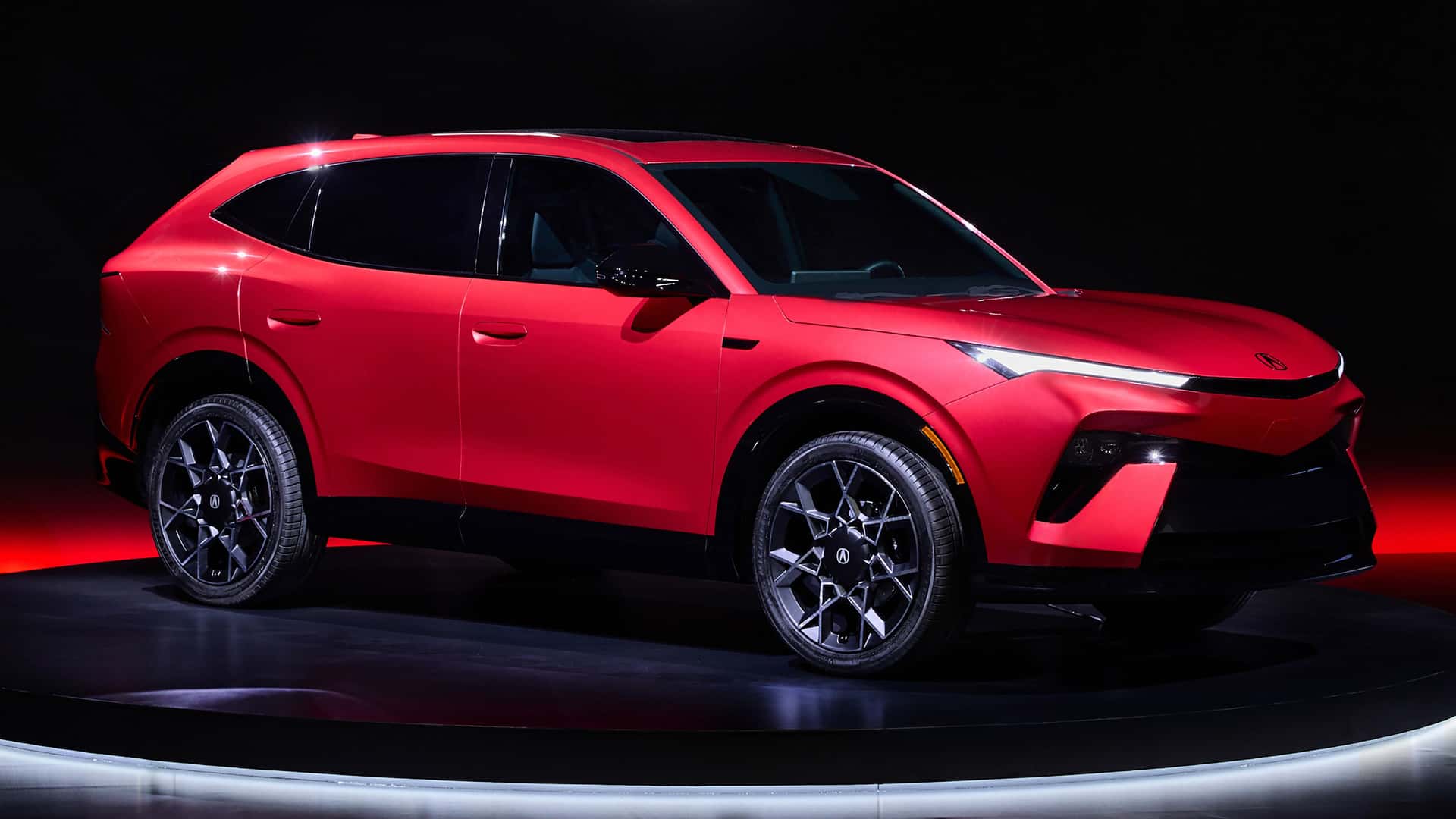
During a recent business briefing, Honda unveiled concepts for a four-door sedan and a crossover, both powered by the new hybrid technology. The sedan will bear the Honda logo, while the SUV will carry an Acura badge. These new models are expected to build on the legacy of Honda’s innovative and efficient vehicles, providing customers with environmentally friendly options that meet their needs and expectations. Honda’s ambitious plans for the U.S. market are becoming clearer as the automaker aims to launch a total of 15 new hybrid models by March 2030. With a strong focus on all-wheel drive SUVs, Honda is looking to make a significant impact in the growing hybrid market in the United States.
The decision to invest a substantial amount of 4.4 trillion yen in developing new gas and hybrid models within the next three years showcases Honda’s commitment to expanding its hybrid lineup. With the demand for hybrid vehicles on the rise, Honda is strategically positioning itself to meet the needs of American consumers who are increasingly looking for more environmentally friendly and fuel-efficient options.
The introduction of new hybrid powertrains signals Honda’s shift towards more sustainable mobility solutions. By combining the benefits of hybrid technology with the practicality and versatility of SUVs, Honda is catering to a wide range of customers who prioritize both performance and efficiency in their vehicles.
The orange side markers on the upcoming models hint at their imminent arrival in the United States, where Honda has established a strong presence in the automotive market. With a focus on SUVs, Honda is tapping into the popular segment that continues to dominate sales charts in the U.S. market.
As Honda gears up to launch its new hybrid models, consumers can expect to see a diverse lineup that caters to different preferences and needs. Whether it’s a compact crossover or a full-size SUV, Honda’s hybrid offerings are set to offer a compelling combination of performance, efficiency, and versatility.
With the automotive industry undergoing a significant transformation towards electrification, Honda’s investment in hybrid technology underscores its commitment to staying ahead of the curve. By expanding its hybrid lineup and focusing on all-wheel drive SUVs, Honda is poised to make a lasting impact in the U.S. market and solidify its position as a leader in sustainable mobility solutions.