
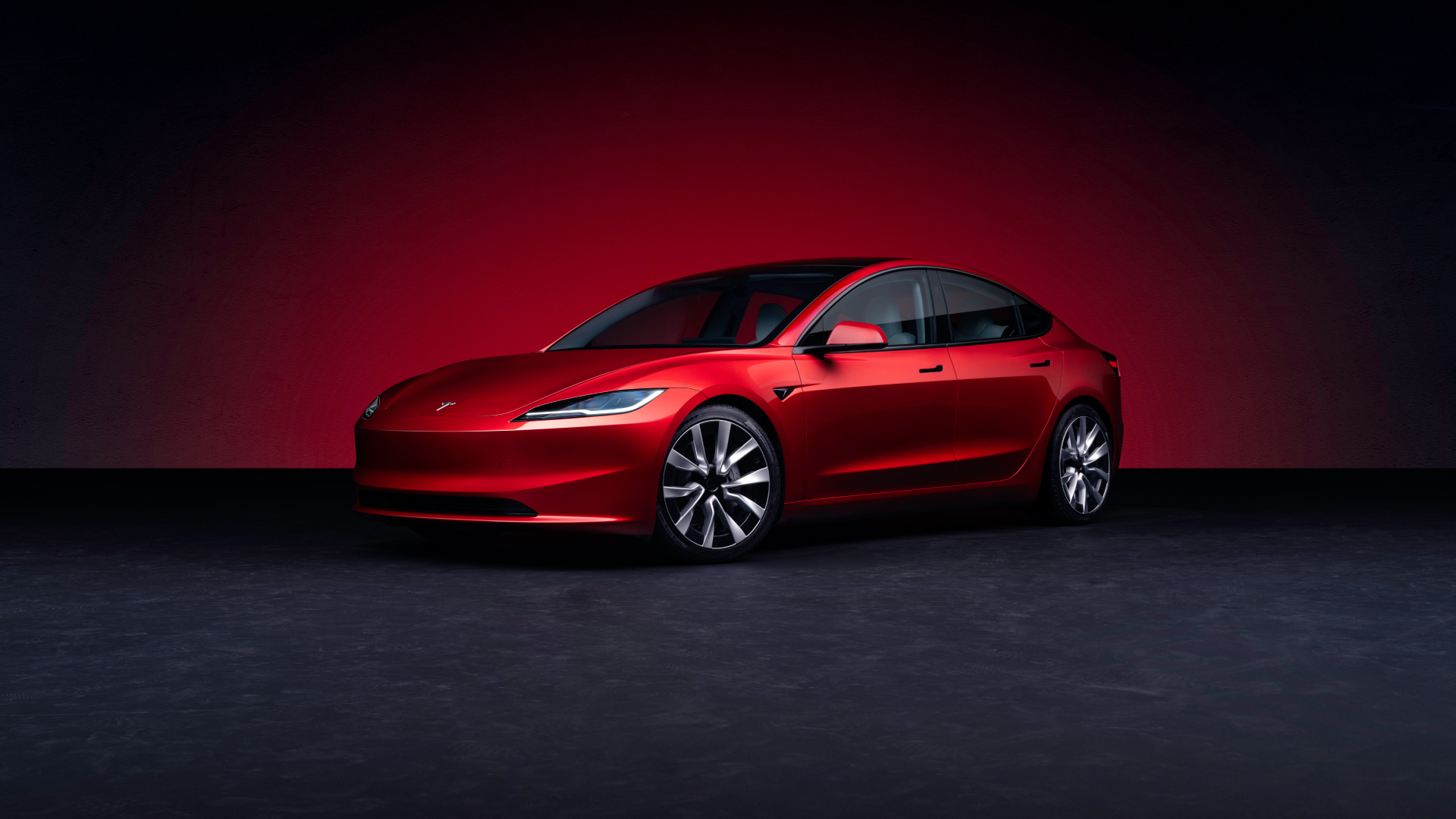
Canada is considering implementing manufacturer-specific caps within its 49,000-unit Chinese EV import quota, a decision that could have a significant impact on Tesla’s recently launched $39,490 China-built Model 3.
The move comes as Canada seeks to regulate the influx of electric vehicles from China, with Tesla and BYD being two major manufacturers affected by the proposed cap. The quota aims to limit the number of imported electric vehicles from China to protect domestic manufacturers and ensure a fair playing field in the Canadian market.
Under the proposed regulations, Tesla and BYD may be limited to a certain number of imported electric vehicles, potentially capping their access to the 49,000-unit quota. This restriction could pose a challenge for Tesla, which has been expanding its presence in the Chinese market and relying on imports to meet demand in Canada.
The implications of the cap could be significant for Tesla, as the Model 3 has been a popular choice among Canadian consumers looking for affordable electric vehicles. With the China-built Model 3 priced competitively at $39,490, any restrictions on imports could impact Tesla’s ability to meet customer demand and expand its market share in Canada.
In response to the proposed cap, Tesla has expressed concerns about the potential impact on its operations and sales in Canada. The company has emphasized the importance of open and fair competition in the electric vehicle market and has called for a reconsideration of the manufacturer-specific caps.
Overall, the proposed cap on Tesla and BYD’s access to the 49,000-unit Chinese EV import quota highlights the challenges and complexities of regulating the electric vehicle market in Canada. As the government seeks to balance the interests of domestic manufacturers and promote a sustainable transition to electric vehicles, the outcome of this decision could have far-reaching implications for the industry.