
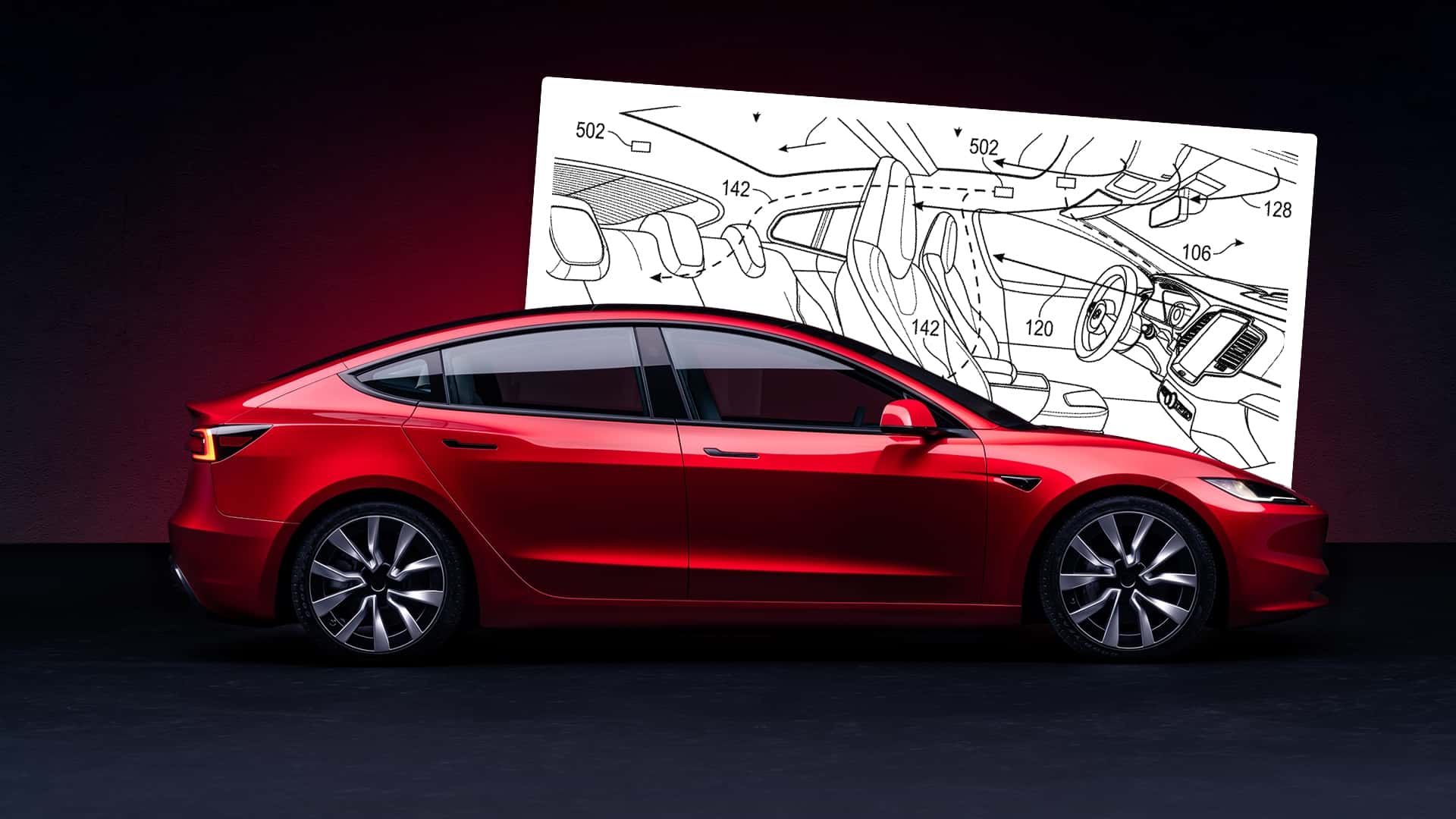
Tesla has recently patented a groundbreaking new method for cooling down the cabin of electric vehicles during the scorching summer heat. This innovative approach involves utilizing vacuums to extract hot air from specific areas in the car and channeling it directly into the vehicle’s HVAC system. By targeting these “hot air pockets,” Tesla aims to make the process of cooling down the interior more efficient, potentially leading to an increase in overall range for the EV.
The conventional practice of conditioning car interiors consumes a significant amount of energy, which could otherwise be utilized for driving. Whether it’s pre-conditioning the cabin before entering the vehicle or maintaining a comfortable temperature while on the road, this process drains the battery power and affects the mileage of the vehicle. Tesla’s new patent aims to address this issue by focusing on optimizing the cooling process within the cabin.
The patented method involves the installation of a suction unit within the car’s HVAC system, creating negative pressure or vacuum that can be directed towards specific vents near hot spots in the cabin. This allows the hot air to be drawn into the HVAC system, where it is conditioned along with the rest of the cabin air before being circulated back into the car. By efficiently targeting areas that require cooling, Tesla intends to enhance thermal comfort while minimizing energy consumption.
One common example of the need for this type of thermal conditioning is solar radiation. The intense heat from the sun can quickly raise the temperature inside the car, especially through the glass roof. By utilizing the vacuum system to extract this hot air, Tesla aims to distribute the conditioned air more evenly throughout the cabin, thereby reducing the overall energy consumption of the HVAC system.
According to Tesla’s patent data, this new technology could potentially reduce power draw by up to 7.4%, resulting in significant energy savings, especially during extreme heat conditions. By activating the suction system based on temperature sensing within the cabin, the cooling process can be tailored to specific areas that require conditioning, further optimizing energy efficiency.
While this patented technology is still in the conceptual stage and may not be implemented in production vehicles, it represents a creative and innovative approach to improving the range of electric vehicles without the need for increasing battery capacity or making significant changes to the powertrain. By enhancing the efficiency of cooling systems, Tesla’s new method could potentially revolutionize the way EVs maintain thermal comfort while maximizing energy utilization.