
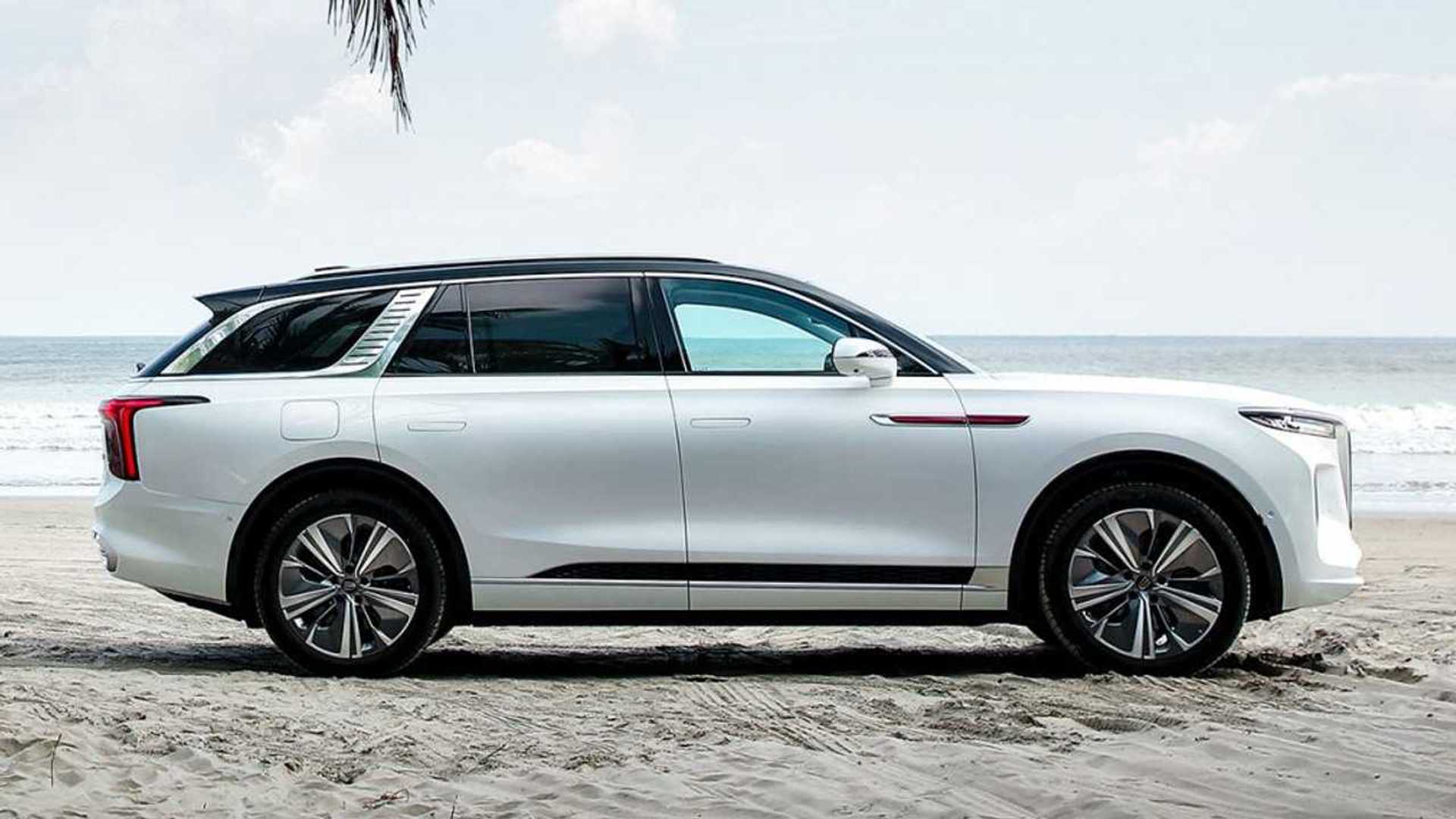
It’s an interesting strategy for Hongqi to leverage existing partnerships and facilities to fast-track its expansion into Europe. By tapping into Stellantis’ resources and expertise, the Chinese luxury brand can potentially overcome some of the challenges that other Chinese automakers have faced when trying to enter the European market.
One of the key selling points for Hongqi in Europe could be its rich heritage and iconic status in China. The brand’s association with state limousines and the Chinese Communist Party gives it a sense of prestige and history that sets it apart from newer Chinese car brands. However, this heritage could also be a double-edged sword, as some European consumers may have reservations about buying a car with such strong political connotations.
Despite these potential challenges, Hongqi seems determined to make a mark in Europe with its ambitious plans for electric and hybrid models. The company’s goal of launching 15 models by 2028 and achieving over 1 million annual sales by 2030 demonstrates its commitment to the European market. By localizing production in Europe and leveraging partnerships with companies like Stellantis and Leapmotor, Hongqi is positioning itself for success in a competitive and rapidly evolving market.
It will be interesting to see how European consumers respond to Hongqi’s entry into the market and whether the brand’s unique heritage will be a selling point or a liability. With the rise of Chinese automakers using EU factories to avoid tariffs and scale faster, Hongqi’s expansion into Europe could be a sign of things to come in the global automotive industry.