
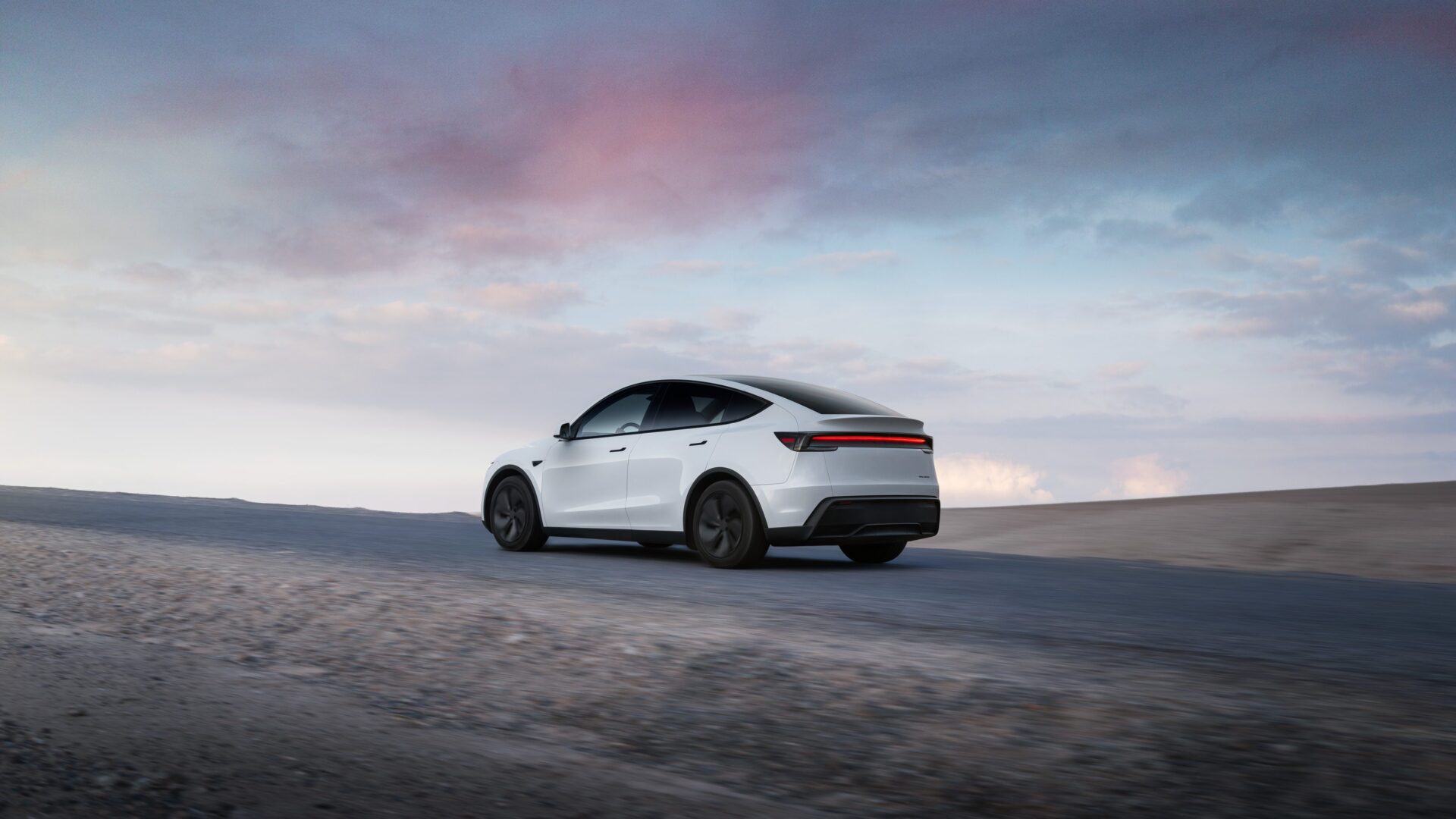
Tesla has made history by claiming the top spot in South Korea’s imported car market for the first time in a single quarter. Data from the Korea Automobile Importers and Distributors Association (KAIDA) shows that Tesla sold an impressive 20,964 units between January and March 2026, marking a remarkable 335.1 percent increase compared to the same period last year.
This significant achievement signifies a major shift in a market that has long been dominated by German luxury brands. Tesla’s success has surpassed that of BMW (19,368 units) and Mercedes-Benz (15,862 units), turning the traditional “Big Two” race into a three-way battle for dominance. Other competitors such as Volvo and Audi are trailing significantly behind the leading pack.
There are several factors that have contributed to Tesla’s success in Korea. Firstly, the timing of government subsidies for electric vehicles played a crucial role. Unlike previous years when subsidies were not finalized until March, this year the program was settled in January, allowing buyers to take delivery much earlier. Additionally, rising fuel costs due to geopolitical tensions have made the switch to electric vehicles more appealing for local commuters. In March, electric vehicles even outsold hybrids in the imported segment for the first time, accounting for nearly 48 percent of all sales.
Despite the record-breaking sales figures, some industry analysts are questioning the sustainability of Tesla’s momentum. While sales in Korea are booming, Tesla’s global deliveries actually fell by 14 percent quarter-on-quarter, missing overall market expectations. The spike in numbers in Korea is believed to be linked to aggressive pricing and conditional discounts, aimed at clearing out inventory of China-made Model Y vehicles to make room for newer production batches.
Tesla’s journey in the South Korean market has been a rollercoaster ride. Since entering the market in 2017, the company initially faced challenges with charging infrastructure and a lack of local service centers. However, the introduction of the Model 3 and Model Y changed the game, making Tesla a status symbol in tech-heavy cities like Seoul. While domestic giants like Hyundai and Kia still lead the overall market, Tesla’s ability to outshine the German luxury brands in the import sector highlights the brand’s growing prestige among Korean drivers.