
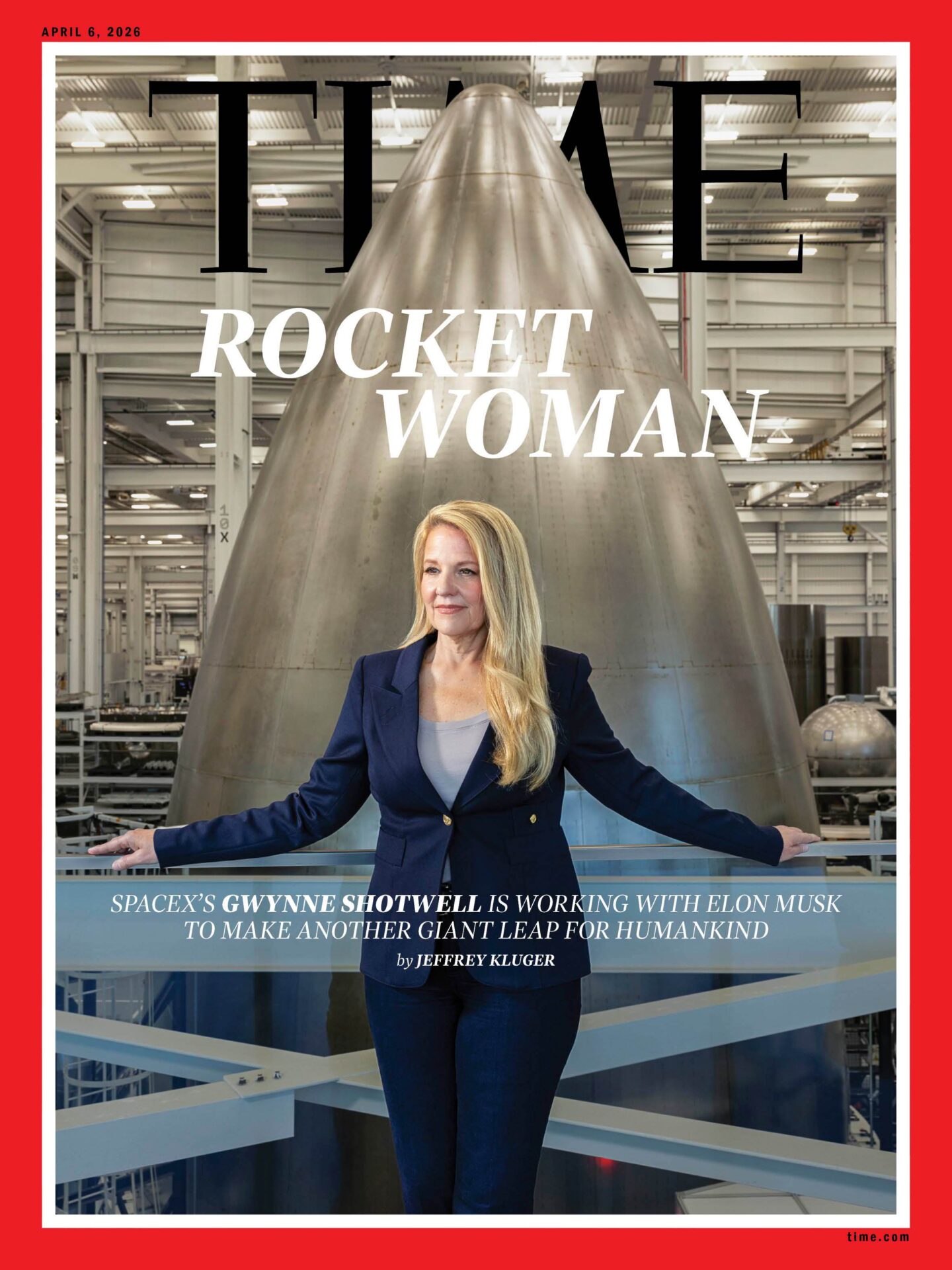
SpaceX is ramping up production in its Starbase, Texas facility, with 18 Starship spacecraft in various stages of construction. These massive rockets, standing at 40 stories tall, are crucial for NASA’s ambitious plans to return Americans to the moon by 2028.
Gwynne Shotwell, president and chief operating officer of SpaceX, is leading the charge to meet NASA’s timeline. In a recent interview with TIME magazine, Shotwell emphasized the complexity of the project but expressed confidence in achieving the goal by 2028. She emphasized the need for the current fleet to be fully operational and flown by then.
The recent merger with xAI, Elon Musk’s artificial intelligence venture, has propelled SpaceX’s growth and innovation. The combined operation is now valued at $1.25 trillion, paving the way for a new vision of orbital infrastructure. This includes a mega-constellation of AI satellites that will serve as data centers in space. Shotwell envisions a future where SpaceX is producing AI satellites on the moon and establishing manufacturing facilities within the next decade.
SpaceX has already applied for FCC licensing for up to one million AI satellites, aiming to leverage solar power and space’s natural cooling properties to reduce energy and water consumption. While Musk often talks about the long-term colonization of Mars, the focus has shifted towards establishing a self-growing city on the moon in the near future.
Shotwell is leading SpaceX’s efforts to turn these ambitious goals into reality, emphasizing the importance of making significant strides in a timely manner. She reflects on her humble beginnings in a small town in Illinois and how she is now part of a team working to change the world alongside Elon Musk.
With SpaceX’s rapid expansion and innovative projects, the future of space exploration and colonization looks promising. The company’s dedication to pushing the boundaries of technology and exploring new frontiers is setting the stage for monumental achievements in the coming years.