
Tesla made headlines recently as owner David Moss completed a groundbreaking coast-to-coast journey across the United States using Full Self-Driving (Supervised) version 14. Moss drove his Tesla Model 3 from California to South Carolina, covering a distance of 2,700 miles in just 2 days and 20 hours without any human interventions.
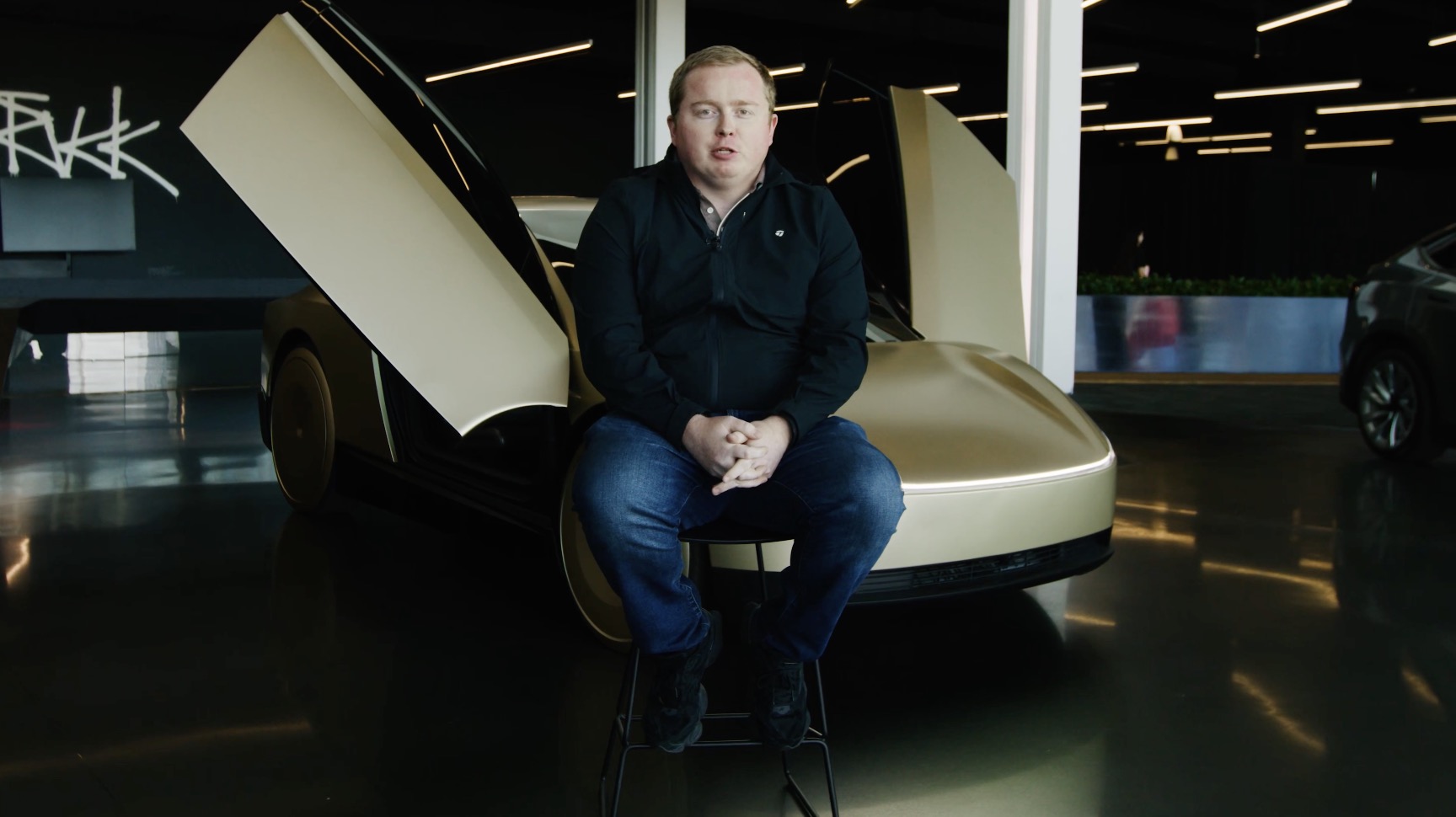
This historic achievement in autonomous driving was officially highlighted by Tesla, with Moss sharing his experience at Giga Texas in a video that was later posted on the company’s website. The journey was part of a larger 12,961-mile streak of FSD usage for Moss, showcasing the technology’s reliability in handling various road signs, turns, and Supercharger stops.
During the cross-country trip, Moss encountered challenging conditions such as 80-mile-an-hour winds, but the FSD system successfully navigated through them. Moss praised the technology for avoiding obstacles like paint buckets and roadkills, emphasizing the safety and convenience it offers. He used the system for all his daily driving needs between late November 2025 and mid-January 2026, including trips to hotels, conferences, and sporting events.
For Moss, the advancement of autonomy holds personal significance as he shared that his father is blind, and autonomous vehicles like his Tesla could greatly benefit individuals with disabilities. Moss recounted a memorable moment when his car navigated through a gate and parked itself after making 13 stops in a single day, showcasing the system’s impressive capabilities.
Encouraging others to embrace the technology, Moss urged individuals to experience it firsthand at their local service centers to understand its safety and transformative potential. He proudly announced his achievement on social media, declaring that he had successfully completed the world’s first fully autonomous coast-to-coast drive in the USA with Tesla FSD V14.2, covering a distance of 2,732.4 miles without any disengagements.
Overall, Moss’s journey exemplifies the advancements in autonomous driving technology and highlights the potential for self-driving vehicles to revolutionize transportation and improve accessibility for individuals with disabilities.