
The decision by Tesla to discontinue the Model S and Model X in favor of focusing on building humanoid robots has left many fans in mourning. The Model S, in particular, is regarded as one of the most important cars of the 21st century, having played a significant role in making electric vehicles desirable and cool.
However, not everyone is lamenting the retirement of these iconic models. At Lucid’s Investor Day in New York City, officials from the rival company made it clear that they see this as a significant sales opportunity for their brand. With approximately 350,000 Model S and Model X owners in the U.S. as of January 2026, according to data from S&P Global Mobility, Lucid aims to capture these customers as they look for newer, more modern EV options.
Competing in the luxury EV market won’t be easy for Lucid, as they face stiff competition from established brands like Cadillac, Rivian, BMW, Mercedes-Benz, and Volvo. These companies are all introducing newer generations of EVs with advanced features such as improved software, longer range, faster charging speeds, and cutting-edge technology.
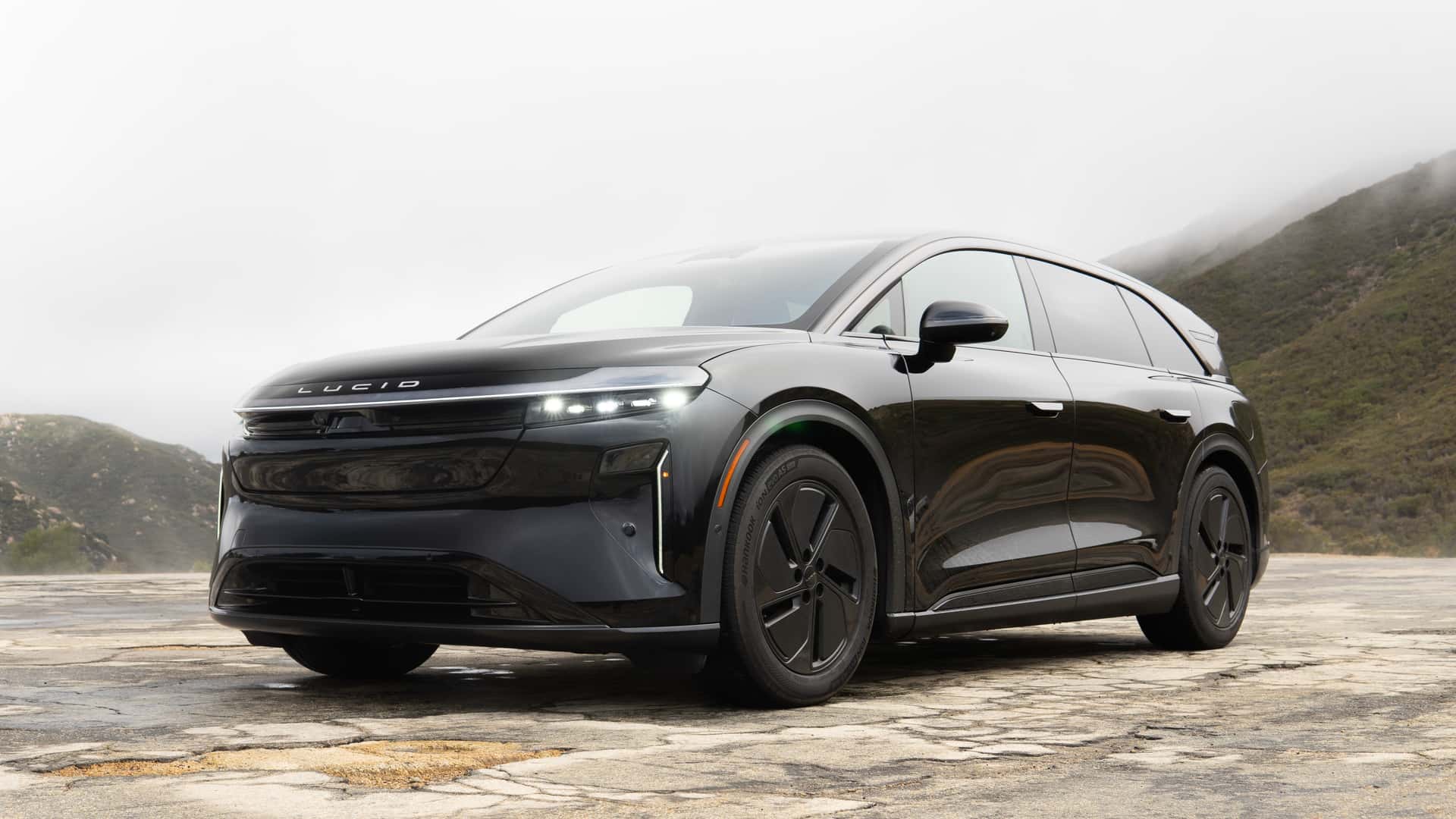
To differentiate itself in the market, Lucid is banking on its Air sedan and Gravity SUV, which directly compete with the Model S and Model X. The company plans to produce between 25,000 to 27,000 vehicles this year, but true mass-market success may come with the introduction of smaller, more affordable models like the Cosmos and Earth crossovers in the coming years.
Despite the challenges, Lucid believes it has a competitive edge in the luxury EV segment, particularly against Tesla. With a focus on innovation, technology, and luxury, the company aims to attract former Tesla customers and establish itself as a key player in the evolving electric vehicle market. Last year, Model S and Model X customers had two top trade-in choices: the Lucid Air and the Lucid Gravity, according to a report by S&P. This comes as no surprise, as the Lucids have been outperforming the Teslas in various aspects. The Lucid vehicles boast more EPA range, faster charging capabilities, and luxurious interiors, making them a popular choice among buyers. In fact, the Gravity even received the Editor’s Choice award at the InsideEVs Breakthrough Awards last year, solidifying its position as one of the best SUVs on the market.
One of the key factors driving customers towards Lucid is the price advantage. The Lucid Air starts at $71,000, while the Model S comes with a price tag of $95,000. Similarly, the Lucid Gravity is priced at $80,000, compared to the Model X at $100,000. Despite the higher cost of Teslas, they do come with the Luxe Package as standard, which includes perks like free charging at Tesla Supercharger network and Full-Self Driving capabilities.
However, despite these advantages, Tesla seems to be lagging behind Lucid in terms of sales. Lucid sold 10,813 units of the Air last year, while Tesla only managed to sell around 5,889 units of the Model S. The Model X fared better, with 13,066 units sold, outperforming the Gravity’s 1,801 units in 2025. This difference can be partly attributed to production delays faced by Lucid. Moving forward, it will be interesting to see how Lucid’s production capacity for the Gravity evolves and how much demand it can generate.
It is important to note that while Lucid is gaining traction in the EV market, Tesla remains the undisputed leader in U.S. EV sales. The two companies operate in different leagues, with Tesla’s established presence and strong brand loyalty setting it apart from newer competitors like Lucid.