
The analysis conducted by Consumer Reports on the real-world highway range of 27 electric cars has revealed some interesting findings. The study aimed to compare the actual range of electric vehicles while traveling at 70 mph with their EPA-rated ranges.
One of the key takeaways from the study was that many electric car brands were able to closely match their advertised EPA range in real-world conditions. Some even exceeded their EPA ratings, showcasing impressive performance even at high speeds.
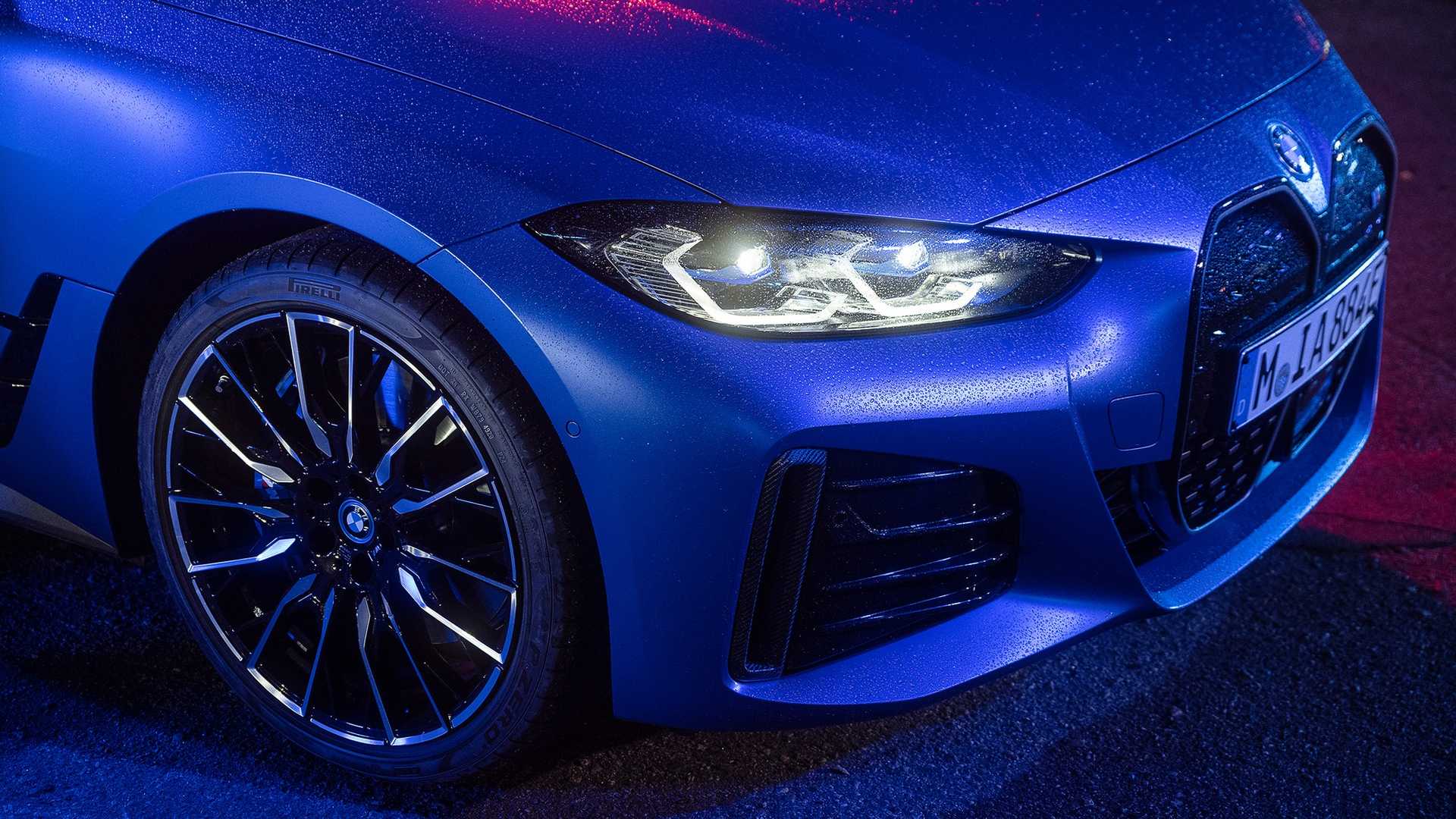
BMW emerged as the top performer in the study, with its models surpassing their EPA estimates by a significant margin. The BMW i4 and i5 achieved 18% and 19.1% more range than their official ratings, respectively. This translates to 51 extra miles for the i4 and 45 additional miles for the i5 in real-world driving conditions.
Following BMW, Mercedes-Benz and Mini also outperformed their EPA estimates, exceeding them by 12% and 25 miles and 25 miles, respectively. Overall, German automakers excelled in surpassing their EPA range estimates by an impressive 9.7%.
On the other hand, South Korean brands like Kia and Hyundai managed to stay relatively close to their EPA estimates, with only a slight deviation in real-world testing. However, some models like the Kia Niro fell short of the mark by 14 miles, highlighting the variability in performance among different models.
In contrast, American brands showed a mixed performance in the study. Tesla’s Cybertruck and Model Y Long Range models slightly exceeded their EPA estimates, while the Model 3 Long Range and Model S models failed to meet the targets. The Model S Long Range, in particular, missed the EPA figures by 44 miles, demonstrating a significant discrepancy between the advertised and actual range.
At the bottom of the list were domestic players like the Chevy Silverado EV and Ford F-150 Lightning, which fell short of their target ranges by 21 and 50 miles, respectively. These results underscore the importance of real-world testing in evaluating the performance of electric vehicles and ensuring that consumers get an accurate picture of their driving range. Consumer Reports recently conducted a test on 27 different electric vehicles to determine their real-world driving range compared to their EPA-rated mileage. While some vehicles exceeded expectations, others fell short. The real under-performers in the test were the Rivian R1S and Lucid Air Touring, which both had 52 fewer miles than expected. This doesn’t mean that these vehicles don’t meet their EPA estimate, but rather that they don’t exceed it like some other models can.
The full chart of all 27 tested vehicles can be seen below, showcasing the varying results from the test. What stood out the most from the test was how many vehicles came close to or even exceeded their EPA-rated mileage. Despite the rigorous nature of the Consumer Reports test, many vehicles performed admirably in real-world driving conditions.
One interesting takeaway from the test is the potential for great deals on used BMW EVs. As the BMW i4 is being replaced by the more advanced i3, there may be opportunities to snag a used BMW i4 at a discounted price. This could be a tempting option for those looking for a reliable electric vehicle at a lower cost.
Overall, the Consumer Reports test shed light on the real-world performance of electric vehicles and highlighted the strengths and weaknesses of different models. While some vehicles may fall short of expectations, others prove to be reliable and efficient choices for eco-conscious consumers.