
At a time when Tesla is stepping back from making cars, two other California startups are gearing up to fill that void. Rivian and Lucid have made big announcements recently, providing more insight into their upcoming electric vehicles. Rivian’s R2 is set to be released in the U.S. this spring, while Lucid’s mass-market crossover, the Cosmos, is expected to begin production by the end of the year. Both companies are aiming to compete with the Tesla Model Y, as well as each other.
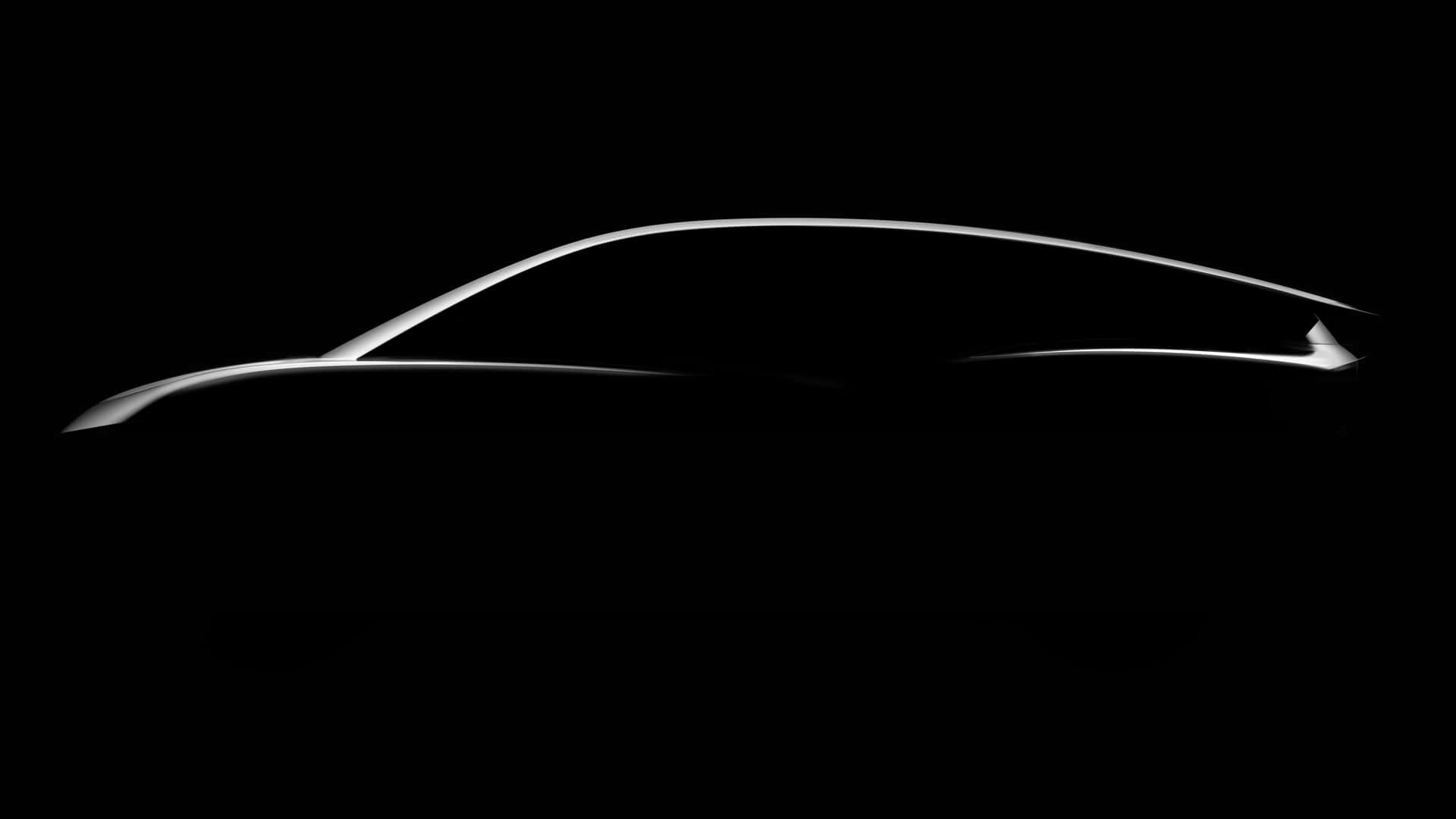
Rivian has released detailed specs and pricing for its R1S model, which will be available for purchase this spring. On the other hand, Lucid has not revealed the final design of the Cosmos yet, only teasing a sleek and sophisticated silhouette. However, at a recent Investor Day event in New York, Lucid shared more technical details about the midsize platform that will underpin the Cosmos, with an expected starting price of around $50,000.
Although a direct comparison between these two crossovers is not possible yet due to them not being on sale, Lucid’s recent announcements suggest that the Cosmos may have an advantage over the R2 in terms of charging speeds and efficiency.
Charging
Lucid’s midsize platform utilizes an 800-volt battery architecture, enabling the Cosmos to add 200 miles of range in just 14 minutes of charging. This places it among the fastest-charging electric vehicles in the U.S., alongside the Lucid Gravity. The 800-volt architecture requires less current to achieve higher charging speeds, making it a significant advancement in charging technology.
On the other hand, the Rivian R2 operates on a 450-volt architecture, as confirmed by a Rivian spokesperson. The company has opted for a nickel-based battery chemistry that prioritizes energy density and cost-effectiveness over rapid charging speeds, as explained by CEO RJ Scaringe. Despite this, the R2 boasts a 10-80% charge time of 29 minutes, which is comparable to the Model Y.
As the electric vehicle market continues to expand and evolve, the competition between Rivian, Lucid, and Tesla is set to intensify. Consumers can look forward to a wider range of options and technological advancements in the electric vehicle sector in the coming years.
Rivian has been making waves in the electric vehicle market with its upcoming R2 electric truck. With impressive features like a range of 400 miles and the ability to add 150 miles of range in just 15 minutes of charging, the R2 is shaping up to be a formidable competitor in the EV space.
However, a new player has entered the ring in the form of Lucid Motors and their Cosmos electric sedan. Lucid is touting some impressive efficiency gains with the Cosmos, thanks to a combination of aerodynamics and motor engineering. With a drag coefficient of just 0.22, the Cosmos will be significantly more aerodynamic than the boxy R2.
Additionally, Lucid is claiming major improvements with its new Atlas drive unit, which is said to have 30% fewer parts, be 23% lighter, and have 40% more power density than the Model Y’s drive unit. As a result, Lucid is projecting up to 4.5 miles per kilowatt-hour of efficiency on the Cosmos, a figure that surpasses most EVs on the market today.
This efficiency advantage has real-world implications for battery size as well. Lucid estimates that only around 69 kWh of battery capacity will be needed to deliver 300 miles of range in the Cosmos. With the high efficiency of 4.5 miles per kWh, a 69 kWh pack could potentially deliver around 310 miles of range.
In comparison, the R2 Standard model boasts 345 miles of range with an 87.9 kWh battery, translating to about 3.9 miles per kWh of efficiency. While the R2 still offers impressive range, the efficiency of the Cosmos could potentially give it an edge in terms of charging speeds and running costs.
Lucid’s focus on efficiency is not only beneficial for consumers in terms of cost and convenience but also serves as a core competitive advantage for the company. With the Cosmos set to rival the R2 in the electric vehicle market, it will be interesting to see how these two vehicles stack up against each other in terms of performance, range, and efficiency. By finding ways to spend less on expensive battery materials without compromising the performance of electric vehicles, manufacturers can increase their profit margins while still delivering a high-quality product to consumers. This thinking is evident in the development of the Lucid Midsize Cosmos, a new electric vehicle that promises impressive range and fast charging capabilities without breaking the bank on battery costs.
The Lucid Midsize Cosmos is set to compete in the crowded market of egg-shaped crossovers, but its unique design and off-road capabilities set it apart from the competition. While the Cosmos is still in development and production is months away, the Rivian R2 has already entered production and offers a similar blend of retro-modern design and off-road prowess. We have already had the opportunity to review the R2 and were impressed by its performance, but the true test will be when we can compare it directly to the Cosmos.
Ultimately, the real winners in this competition are the consumers. By pushing the boundaries of battery technology and finding more cost-effective solutions, manufacturers like Lucid can offer high-performance electric vehicles at a more affordable price point. This not only benefits consumers who are looking to make the switch to electric vehicles, but also helps to accelerate the transition to a more sustainable transportation system. As the industry continues to innovate and evolve, we can expect to see even more exciting developments in the world of electric vehicles.