
This has created a unique situation where even relatively new cars are seeing significant price drops on the used market. The data from Edmunds highlights just how much money savvy shoppers can save by opting for a slightly used model instead of a brand new one.
One of the standout examples from the report is the Dodge Charger Daytona, which saw an average discount of $19,711 on the used market compared to a new model. This represents a substantial savings of 67%, making it an attractive option for budget-conscious buyers. Similarly, the Jeep Wrangler 4XE also saw significant discounts, with used models going for $19,873 less on average.
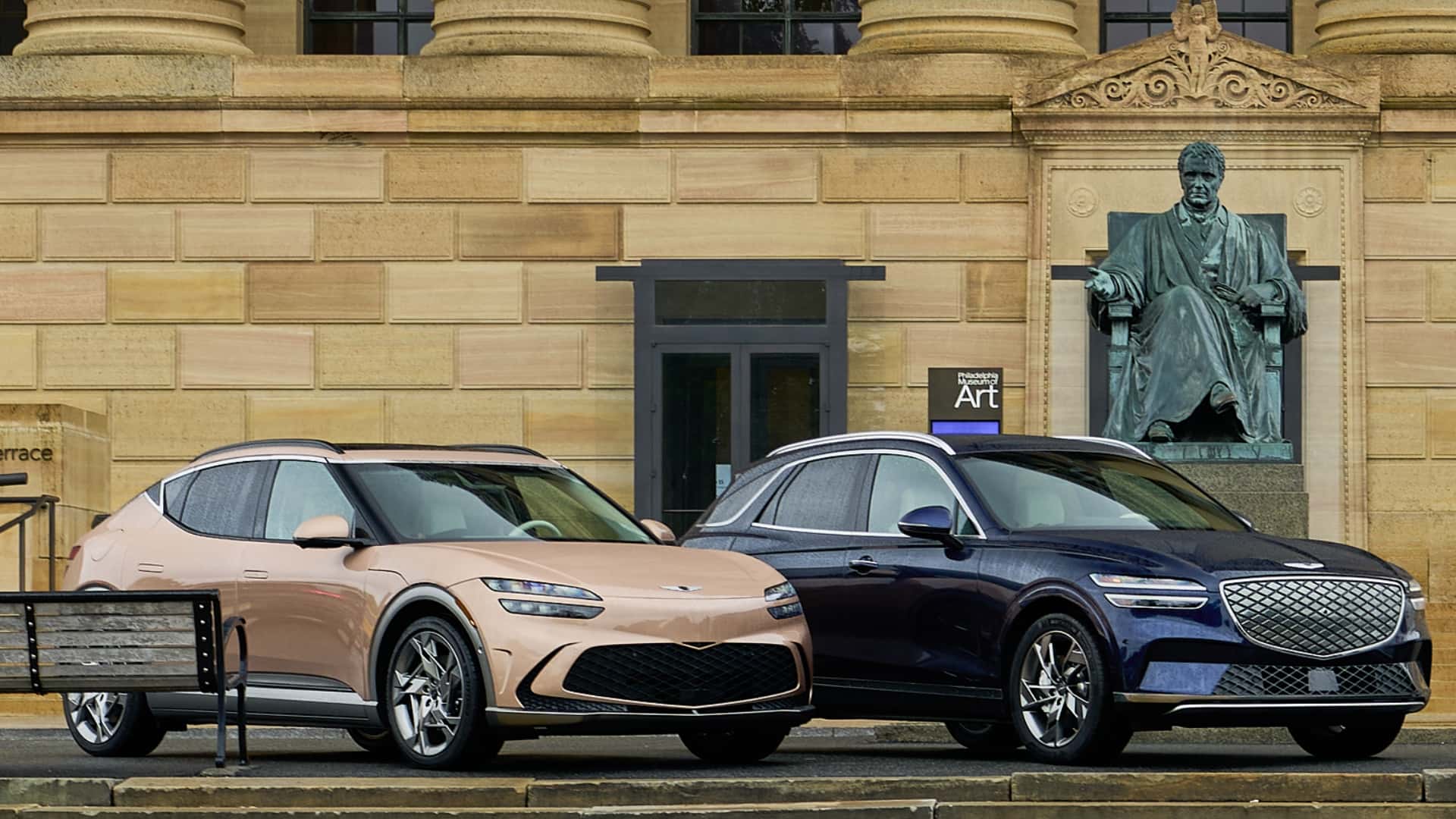
However, the biggest loser in terms of depreciation was the Genesis GV70 Electrified, which offered a staggering $24,012 discount on barely used examples. This highlights the potential savings that can be found in the electric vehicle market, as manufacturers continue to push for widespread adoption of EVs.
In addition to these luxury models, there are also mass-market deals to be had on vehicles like the Toyota bZ4X, Chevy Equinox EV, and Honda Prologue. These models offer competitive pricing on the used market, making them appealing options for those looking to save money without sacrificing quality.
Overall, the data from Edmunds underscores the value of considering slightly used cars when shopping for a new vehicle. With significant discounts available on even the latest models, it’s clear that there are plenty of opportunities to save money without compromising on features or performance. As automakers continue to offer incentives and deals on new cars, the used market is likely to remain a hotbed of savings for savvy shoppers. As we look back at the 2025 model year cars, one standout factor that contributed to the significant discounts on these vehicles was the $7,500 tax credits that were available to buyers. These tax credits played a crucial role in making these cars more affordable for consumers. However, as these tax credits expired at the end of the third quarter, the discounts on these vehicles became even more pronounced.
One model that stood out during this time was the Equinox EV, which won the Breakthrough Award for its affordability. Even though these cars were already priced competitively when new, they became even more affordable on the used market. For potential buyers, it is recommended to compare the prices of new and used options before making a purchase decision.
When it comes to the cost of car ownership, one often overlooked factor is the interest rate on the loan. In the case of new cars, automakers frequently offer discounted financing through their captive loan companies, resulting in lower interest rates for buyers. According to data from Experian collected by U.S. News and World Report, the average interest rate for super-prime customers with credit scores above 781 is 4.88% for new cars and 7.43% for used cars.
To put this into perspective, if you were to put $10,000 down on a five-year loan for a $40,000 car, the difference in interest rates alone could save you $2,139. While this doesn’t entirely explain the deep discounts on used cars, it does shed light on why some buyers opt for new cars over used ones.
In the current market, the best deals on electric vehicles (EVs) can be found in the used car market. With the expiration of the tax credit driving up prices for new EVs, coupled with consumer concerns about battery reliability and charging infrastructure, the values of used EVs have remained lower. However, this trend is unlikely to last long, as the demand for EVs continues to rise, and these vehicles become more mainstream.
In conclusion, the discounts on 2025 model year cars were influenced by the expiration of tax credits and other market factors. As the automotive industry continues to evolve, it’s essential for buyers to weigh their options carefully and consider both new and used vehicles to make an informed decision.