
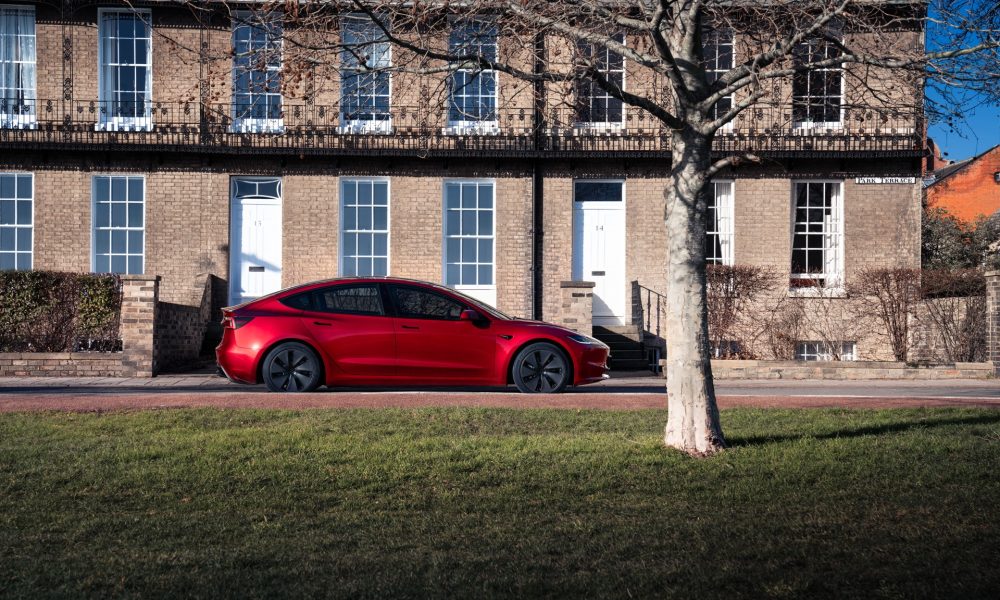
The unveiling of the first Tesla Cybercab at Gigafactory Texas marks a significant milestone for the company, signaling a revolutionary shift in the transportation industry. Priced below $30,000 and set for mass production in April, this autonomous vehicle is designed to make personal car ownership optional for many individuals. By promoting shared fleets and maximizing utilization, transportation costs could plummet to as low as $0.20 per mile.
The Cybercab’s innovative features, such as a steering-wheel-free and pedal-less design, are tailored for efficiency and affordability. With inductive charging, a compact two-seater layout, and a simplified manufacturing process, Tesla aims to streamline production and offer a more cost-effective mode of transportation. The vehicle’s autonomy capabilities also promise on-demand rides at a fraction of current rideshare prices, revolutionizing the way people travel.
In addition to reducing congestion and freeing up urban space, the Cybercab has the potential to transform the economics of vehicle ownership. By joining the Robotaxi network, car owners could generate passive income, while cities could repurpose parking lots for other purposes. As shared electric vehicles become more prevalent, emissions could significantly decrease, making way for a cleaner and more sustainable future.
However, this technological advancement comes with its challenges. The widespread adoption of autonomous vehicles could lead to job displacement in industries reliant on human drivers, such as ride-hailing services and taxi companies. Millions of jobs globally may be at risk, and there could be a ripple effect on related sectors like suppliers, mechanics, and insurance adjusters. This wave of automation could also exacerbate inequality and pose challenges for displaced workers seeking retraining opportunities.
Despite the potential drawbacks, the Cybercab offers a promising vision of abundant and affordable mobility. Consumers stand to benefit from lower costs and enhanced safety, while Tesla investors could see a boost in the company’s valuation. Cities could experience reduced traffic congestion and parking demands, while the environment would benefit from reduced emissions and more efficient transportation systems.
As we navigate this transformative era, it is crucial to strike a balance between innovation and equity. Proactive policies, such as retraining programs and safety nets, will be essential in ensuring a smooth transition to a future dominated by autonomous vehicles. The question is not whether the Cybercab will disrupt the transportation industry—it already has—but whether society is prepared for the seismic economic changes it will bring.