
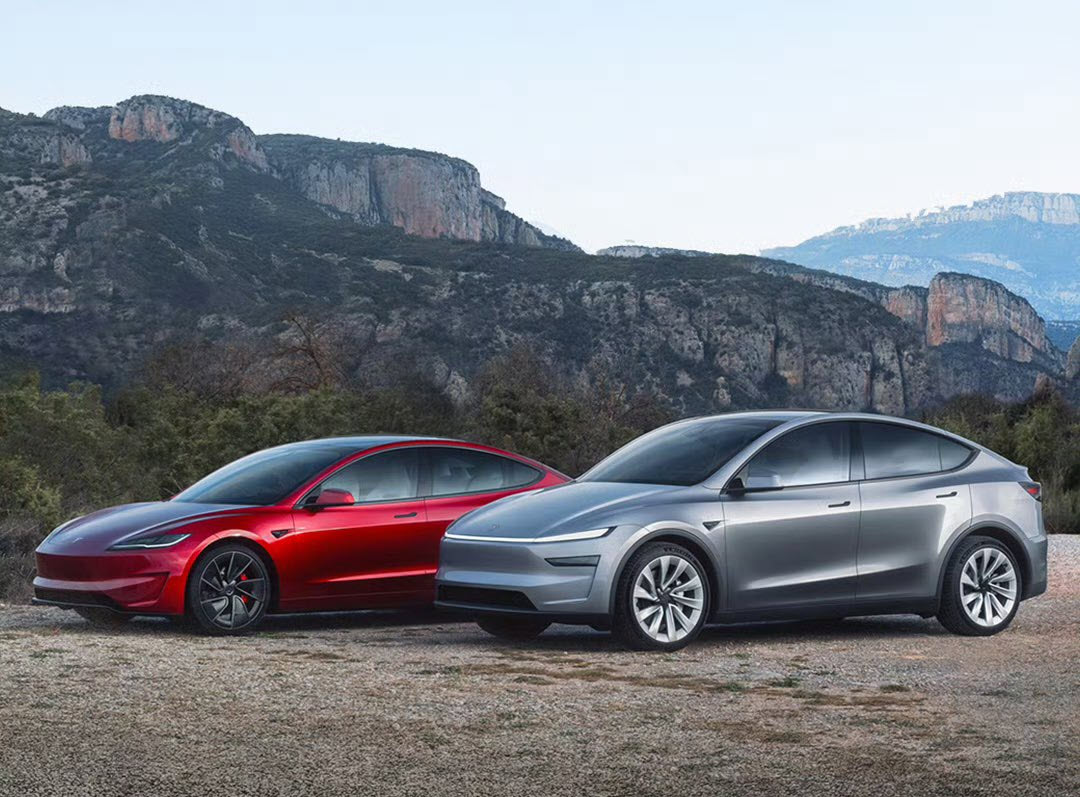
Tesla Model 3 and Model Y Top J.D. Power EV Owner Satisfaction Study
Tesla continues to set the benchmark for electric vehicle (EV) ownership, with the Tesla Model 3 and Model Y earning the highest overall satisfaction scores in the latest study from J.D. Power. Data from the study shows that Tesla owners are extremely satisfied with their vehicles, highlighting the brand’s commitment to delivering high-quality electric cars.
The J.D. Power study, which surveyed thousands of EV owners across the country, found that the Tesla Model 3 and Model Y ranked highest in overall satisfaction. This comes as no surprise, as Tesla has been a leader in the EV market for years, consistently delivering innovative technology, impressive performance, and a sleek design.
One of the key factors contributing to Tesla’s top rankings in the study is the brand’s focus on customer experience. Tesla owners often praise the company for its exceptional customer service, easy access to charging infrastructure, and regular software updates that enhance the driving experience.
In addition to overall satisfaction, the study also looked at specific areas where Tesla excelled. The Model 3 and Model Y were particularly praised for their performance, range, and interior design. Owners appreciated the quick acceleration, long driving range, and minimalist yet functional interior of these vehicles.
Tesla’s dominance in the EV market can also be attributed to its continuous innovation and commitment to sustainability. The brand’s Autopilot technology, which offers advanced driver-assist features, has been a game-changer for many Tesla owners. Additionally, Tesla’s dedication to reducing carbon emissions and promoting clean energy aligns with the values of environmentally conscious consumers.
Overall, the J.D. Power study highlights Tesla’s position as a frontrunner in the EV industry. The Model 3 and Model Y’s top rankings in owner satisfaction further solidify Tesla’s reputation for producing high-quality electric vehicles. As the demand for EVs continues to grow, Tesla’s commitment to innovation and customer satisfaction will likely keep the brand at the forefront of the market for years to come. The world of technology is constantly evolving, with new innovations and advancements being made every day. From artificial intelligence to virtual reality, there is no shortage of exciting developments in the tech industry. One of the most talked-about topics in recent years is the rise of 5G technology.
5G, which stands for fifth-generation, is the latest iteration of wireless technology that promises faster speeds, lower latency, and more reliable connections than its predecessors. With the potential to revolutionize industries such as healthcare, transportation, and entertainment, 5G is poised to usher in a new era of connectivity.
One of the key benefits of 5G technology is its speed. With download speeds up to 100 times faster than 4G, 5G will enable users to stream high-definition video, download large files, and play online games with minimal lag. This increased speed will not only enhance the user experience but also open up new possibilities for businesses to innovate and create new services.
Another advantage of 5G is its low latency, or the time it takes for data to travel between devices. With latency as low as one millisecond, 5G will enable real-time communication between devices, making it possible for autonomous vehicles to communicate with each other and with infrastructure to navigate roads safely and efficiently.
Additionally, 5G technology is expected to support a greater number of connected devices than ever before. With the Internet of Things (IoT) on the rise, 5G will provide the bandwidth and capacity needed to support the billions of devices that are expected to be connected to the internet in the coming years. This will enable smart cities, smart homes, and smart factories to become a reality, improving efficiency and reducing energy consumption.
While the benefits of 5G technology are clear, there are also challenges that need to be addressed. One of the main concerns is the cost of upgrading infrastructure to support 5G networks. In order to fully realize the potential of 5G, telecom companies will need to invest billions of dollars in building new towers and laying new fiber optic cables.
Another challenge is the potential impact of 5G on health and the environment. Some studies have raised concerns about the effects of electromagnetic radiation from 5G networks on human health, while others have warned of the environmental impact of increased energy consumption and electronic waste.
Despite these challenges, the potential of 5G technology is too great to ignore. With its promise of faster speeds, lower latency, and more connected devices, 5G has the potential to transform industries, improve efficiency, and enhance our daily lives. As we move closer to the widespread deployment of 5G networks, it is important for policymakers, businesses, and consumers to work together to address the challenges and harness the full potential of this revolutionary technology.