
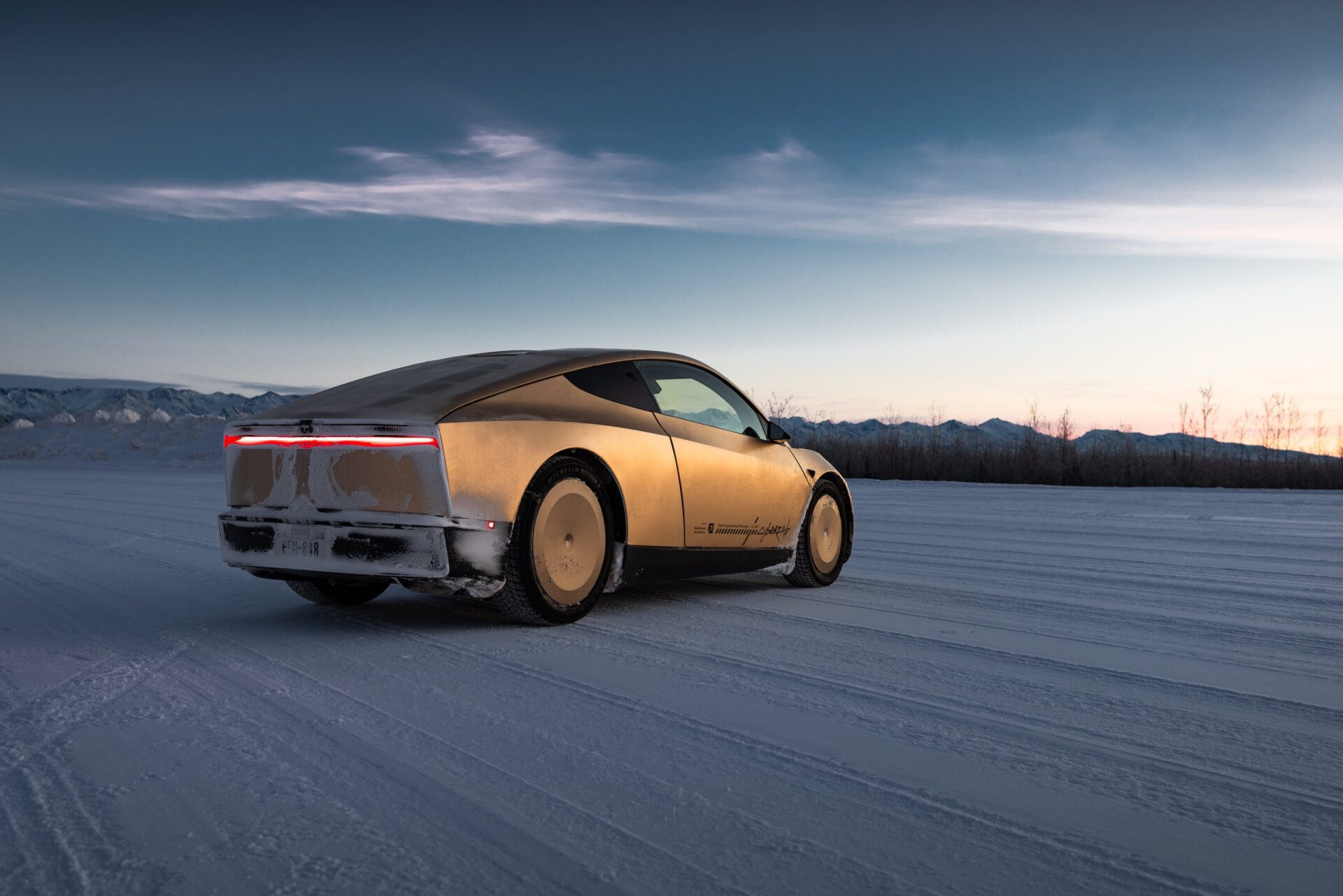
Tesla’s revolutionary autonomous ride-hailing pilot in Austin is making significant progress, serving as a crucial testing ground for the future of transportation. Recent data from the National Highway Traffic Safety Administration (NHTSA) Standing General Order (SGO) reveals a few minor incidents, providing valuable “edge case” data for Tesla to enhance its system before the launch of the Cybercab.
Operating in a bustling urban environment, Tesla is encountering unpredictable human behaviors that cannot be replicated in simulations. From minor stationary bumps to navigating tight parking spaces, these real-world challenges are helping Tesla refine its Full Self-Driving (FSD) stack to handle essential driving tasks effectively.
Despite some low-speed fender benders typical of a busy city like Austin, Tesla is not backing down from these challenges. Instead, the company is using this phase to improve the FSD stack’s capability in handling everyday driving situations. By gradually removing safety monitors in certain areas, Tesla demonstrates confidence in the fleet’s evolution based on early lessons learned in Austin.
Every mile driven in the city not only enhances the system’s performance but also contributes to making the next million miles safer for everyone. This hands-on approach to learning from real-world experiences sets Tesla apart in the autonomy race, mirroring the strategy that propelled the company to success a decade ago.
The data from NHTSA’s SGO 2021-01 highlights Tesla’s commitment to transparency and continuous improvement in autonomous technology. The Austin fleet, mainly consisting of Model Y vehicles equipped with the latest FSD hardware, is already conducting unsupervised rides, showcasing Tesla’s progress in autonomous driving.
Critics may focus on the incident count, but the real narrative lies in how Tesla is leveraging real-world data to build a robust, driverless future. Earlier today, Tesla unveiled the first Cybercab off the production line at Giga Texas, a significant milestone ahead of the April production start date.
In conclusion, Tesla’s innovative approach to autonomous driving in Austin is not just about testing technology but about shaping the future of transportation. By embracing real-world challenges and continuously refining its autonomous systems, Tesla is paving the way for a safer and more efficient driverless future.