
Toyota has long been criticized for lagging behind in the electric vehicle (EV) revolution, opting to focus on hybrids instead. However, recent developments suggest that their cautious approach may have been strategic after all.
In a recent announcement, Toyota unveiled the new Highlander, a three-row SUV with impressive specs including over 300 miles of range and vehicle-to-load capabilities. This marks a significant step for Toyota as they finally dive into the EV market.
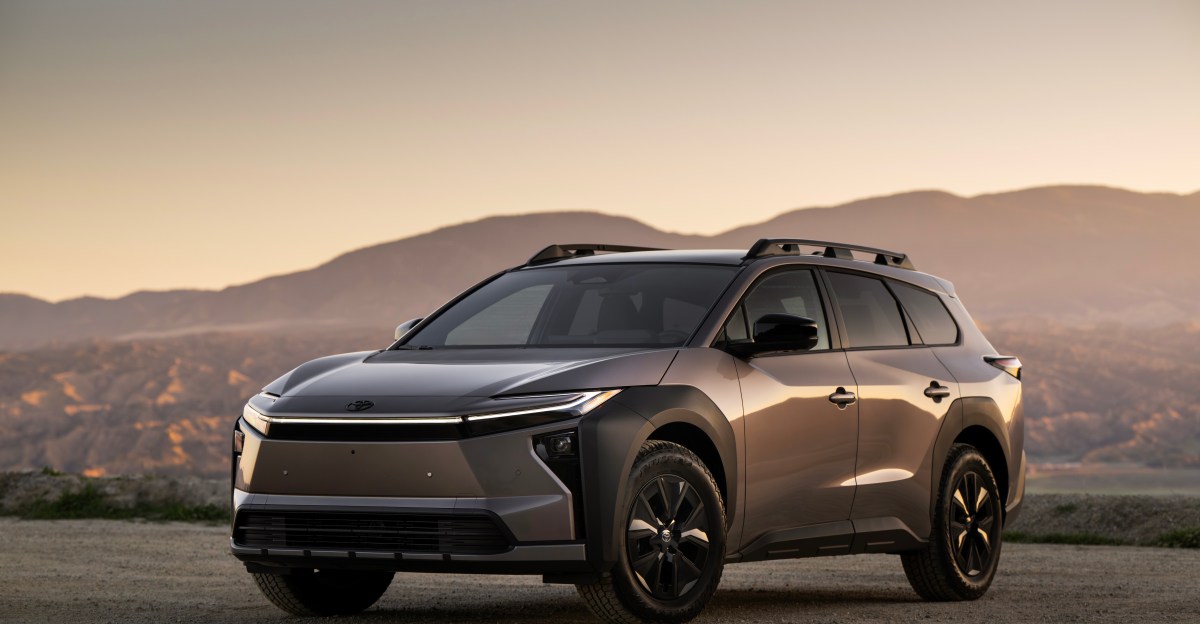
Additionally, Toyota introduced the bZ Woodland, an off-road version of their bZ compact SUV. This model boasts added features such as increased cargo space, dual-motor all-wheel-drive powertrain delivering 375 horsepower, and a quick 0-60 mph acceleration in just 4.4 seconds. The bZ Woodland also offers an EPA-estimated range of 281 miles, which drops slightly with all-terrain tires.
With compatibility for Tesla’s Supercharger network, the bZ Woodland can charge from 10-80 percent in just 30 minutes. The SUV also features 8.4 inches of ground clearance, capable of handling tough off-road conditions, and can tow up to 3,500 lbs. The bZ Woodland is set to hit dealerships in March 2026, signaling Toyota’s commitment to entering the EV market.
Despite the exciting features of the bZ Woodland, questions have been raised about its pricing. Starting at $46,695, the bZ Woodland is significantly more expensive than its platform twin, the Subaru Trailseeker, raising concerns about the value proposition of the Toyota model.
Overall, Toyota’s foray into the EV market with the bZ Woodland is a positive step forward for the company. It will be interesting to see how consumers respond to this new offering and whether Toyota can compete effectively in the rapidly evolving EV landscape.